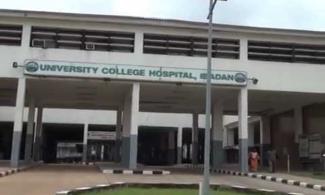
SaharaReporters reported how the management of the hospital last week in an internal memo titled, ‘Approval for the recommendation to add utility fee to service charged patients in the hospital’, signed by the UCH administrator, Wole Oyeyemi and dated June 21, 2022, approved a mandatory N1,000 electricity charge per day for every patient in the hospital.
The first Nigerian university teaching hospital, University College Hospital (UCH), Ibadan, Oyo State, has yielded to pressure and stepped down the implementation of the proposed N1,000 electricity bill per day for every patient in the hospital.
SaharaReporters reported how the management of the hospital last week in an internal memo titled, ‘Approval for the recommendation to add utility fee to service charged patients in the hospital’, signed by the UCH administrator, Wole Oyeyemi and dated June 21, 2022, approved a mandatory N1,000 electricity charge per day for every patient in the hospital.

The hospital cited recurring power outages in the hospital, high cost of electricity tariff and inflation in the price of diesel as reasons for the charge.
However, Nigerians faulted the development while the Socio-Economic Rights and Accountability Project (SERAP), a civil rights organisation threatened to sue President Muhammadu Buhari if the hospital implemented the order.
But in a statement made available to newsmen in Ibadan, the Oyo State capital by the hospital’s spokesperson, Mr. Toye Akinrinlola, during the weekend, the hospital denied ever charging patients electricity fees.
The statement which quoted the Director of Administration of the hospital, Stephen Oladejo, as saying that there was never a time the hospital charged such a fee, however, did not deny the internal memo where heads of units in the hospital were mandated to implement the proposed electricity fee.
Rather, the hospital stated that it was more concerned with adequate healthcare delivery to Nigerians.
According to the statement, UCH said that the memo being referred to was an internal document which was not implemented after a thorough review from internal mechanisms for such issues and had since been withdrawn.
It insisted that there was no point in time the hospital charged electricity fees on patients and “We are assuring the public that we shall continue to deliver effective and efficient healthcare to Nigerians, irrespective of status.”