
Residents alleged that forced demolitions of homes, ancestral compounds and farmlands, purportedly for government purposes, have led to severe psychological trauma, poverty and, in several reported cases, death.
In Umuchima, the most populous of the 14 communities that make up Uburu in Ebonyi State’s Ohaozara Local Government Area, grief has become a familiar visitor.
What was once described by locals as a “hilarious, joyful community” has, according to the people, transformed into a place marked by fear, displacement and quiet mourning.
Residents say their troubles deepened shortly after David Nweze Umahi assumed office as governor in 2015. Today, even as he serves as Minister of Works, community members insist that a chain of demolitions, land seizures and violent confrontations, carried out under government authority, has left them traumatized, uprooted and bereaved.
Their stories, shared through the United Umuchima Community General Assembly, paint a portrait of a people fighting for survival, memory, and dignity.
“We are no longer living. We are only enduring,” one elder told SaharaReporters. “Every day we wake up not knowing whose home will fall next.”
Residents alleged that forced demolitions of homes, ancestral compounds and farmlands, purportedly for government purposes, have led to severe psychological trauma, poverty and, in several reported cases, death.
The community points to the case of Mrs. Elizabeth Offora, a widow whose world collapsed twice, first with the death of her husband, and then with the destruction of the land where he had been laid to rest.

According to family members, who spoke through Chief Cyracius Okoro, Chairman, Umuchima Elders Forum and National Vice President 1, United Umuchima Community General Assembly, she collapsed upon seeing excavators exhume her husband’s decomposing body during demolition works. She died three days later.
“Such a sight broke her completely,” a Okoro recalled. “She never recovered.”
Another widow, Regina Mgbeke, reportedly suffered paralysis after losing her home and livelihood. She died shortly afterward, leaving behind children who, like many in the community, are now orphans.
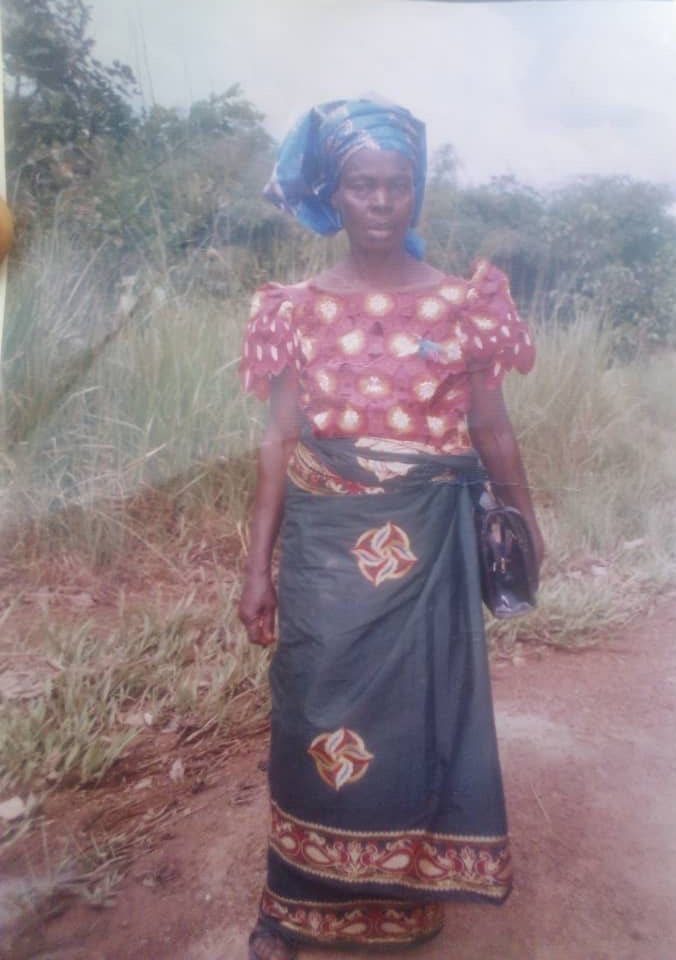
Similarly, there is the story of Mazi Amadi Onu, an 81-year-old patriarch. His children say the demolition of his compound, the unearthing of his forebears’ tombs and the loss of everything he valued left him emotionally shattered.
He reportedly went blind after weeks of uncontrollable weeping and died bedridden.
“He wept like a child,” one granddaughter, Chimeize said. “He kept asking why the resting places of his ancestors were violated.”
The community also recounts the tragic case of Paul Eze, a 33-year-old youth who allegedly confronted demolition agents in an attempt to stop the destruction of a neighbour’s compound.
In the chaos that followed, residents say he was beaten severely. He fell ill soon after and died.
His death, they say, became a symbol of the community’s helplessness.
“Paul only asked that the compound be spared,” a friend said, fighting tears. “He died because he stood up for us.”
What troubles residents most is the unpredictability, Okoro lamented. Several allege that groups of men, whom they link to local power actors allegedly funded by Minister of Works, arrive at night, breaking windows, destroying building materials, and harassing households.
One such raid in January 2025, according to him, allegedly triggered the death of Mrs. Janet Esu Enyi Nwanjoku, who believed her only surviving son had been killed during the chaos.
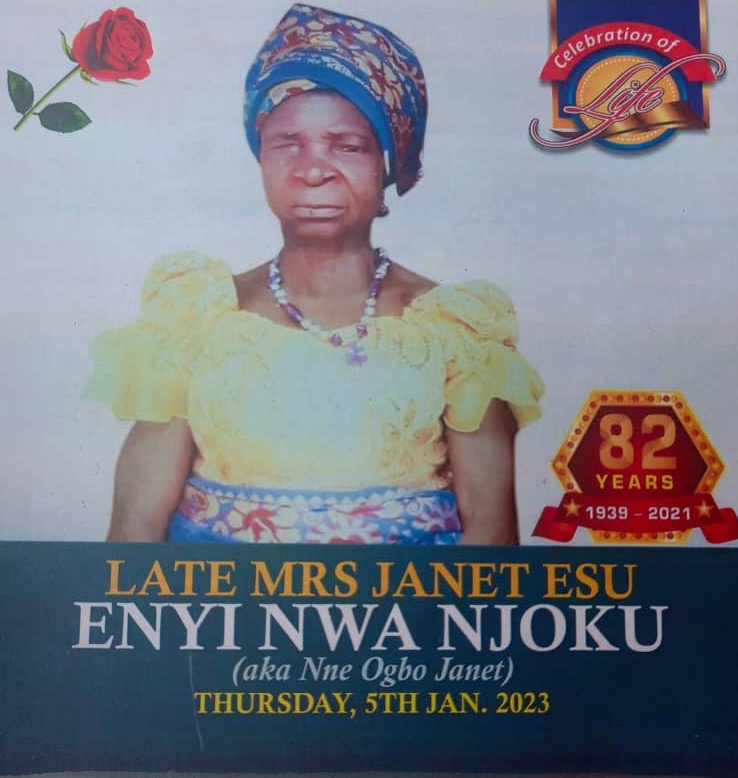
“She screamed his name until her voice broke,” a neighbour recounted. “By morning, she was gone.”
The community leadership says it has also been targeted. In May 2025, individuals allegedly trailed the President-General, Arc. Sunday Chukwu, to Owerri, and the Secretary-General, Ezenwa James, to Nnewi in Anambra State, prompting fears of abduction.
“Nowhere feels safe,” one leader said. “It is as though our voices must be silenced.”
Accusations, Denials and Plea for Intervention
The community attributes its ordeal to directives linked to David Umahi. They noted that Umahi used his position as governor to confiscated lands spanning hundreds of hectares, demolishing residential houses.
They alleged that he sustained the brutal force using his ministerial position to continue the perpetuate.
What remains certain, however, is that Umuchima is a community in distress.
The people of Umuchima are not merely asking for sympathy; they are demanding verification, investigation and protection.
They are calling on both the Ebonyi State Government and the Federal Government of Nigeria to send an independent delegation to "verify whether any legitimate state or federal projects require their land, determine the lawful boundaries of such projects (if any), and intervene to stop what they describe as ‘ongoing desecration and displacement.’”
“If government needs land, let government show us the project,” the community said. “If government does not need land, let these demolitions stop.”
Pictures of demolished houses and reported number of deaths from the forgoing, show human cost is undeniable.
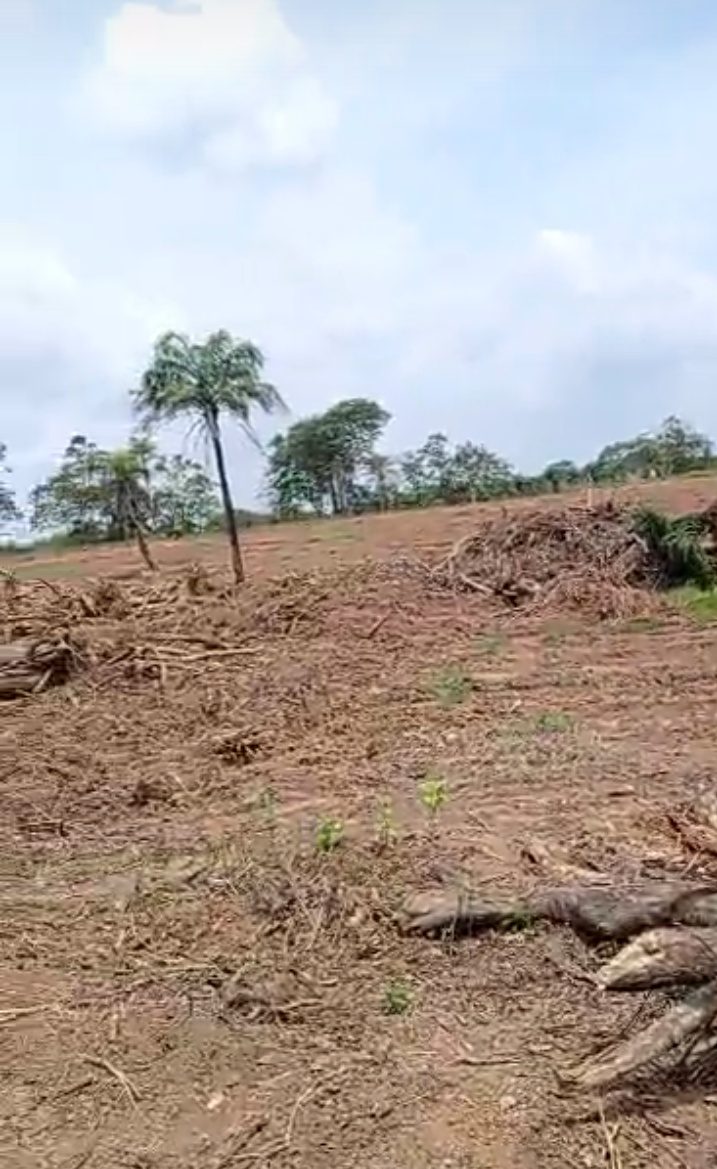
According to residents, homes have fallen and families have buried loved ones. Ancestral markers like graves, shrines, trees planted decades ago have reportedly been destroyed.
“We are losing not just land,” an elder said. “We are losing history.”
At the heart of this story is a plea from ordinary people who say they have been pushed to the margins of their own birthplace.
“Let the world hear our cry,” one of the residents said. “Let the government rescue us.”
SaharaReporters’ attempts to reach Chief David Umahi, Minister of Works and former Governor of Ebonyi State, were unsuccessful, as he did not answer calls and had yet to respond to a text message requesting his reaction at the time of filing this report.