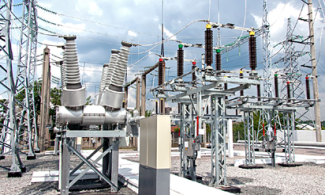
According to the government, several GenCos have been unable to generate electricity at full capacity due to limited access to gas, with some plants forced to shut down intermittently or drastically reduce output to prevent total system failure.
Electricity supply across Nigeria has dropped sharply as power generation companies (GenCos) grapple with severe gas supply constraints, forcing many thermal power plants to operate far below capacity and worsening the country’s persistent power crisis.
This was disclosed this in a statement posted on the official X (formerly Twitter) account of National Grid Nigeria on Tuesday, blaming inadequate and inconsistent gas supply to power stations as the major cause of the recent nationwide electricity shortfalls.
“MAJOR REASON FOR DROP IN POWER SUPPLY NATIONWIDE: GenCos are experiencing gas supply constraints affecting their optimal output and general operational frequency,” the post stated.
According to the government, several GenCos have been unable to generate electricity at full capacity due to limited access to gas, with some plants forced to shut down intermittently or drastically reduce output to prevent total system failure.
The development comes amid growing public frustration over incessant power outages and repeated national grid collapses, which industry stakeholders attribute to poor management, technical failures, and weak coordination across the electricity value chain.
Nigeria’s national grid collapsed more than 12 times in 2024, while several collapses have already been recorded in 2025, the most recent occurring on September 10, plunging large parts of the country into darkness.
Data from the Nigerian Electricity Regulatory Commission (NERC) further highlights the fragility of the power system. In its Operational Performance of Power Plants fact sheet for October, NERC reported that grid-connected power plants recorded a Plant Availability Factor (PAF) of 40 per cent, representing a marginal two per cent increase from the previous month.
However, the commission noted that key system stability indicators remained below regulatory thresholds.
According to NERC, grid voltage fluctuated between 294.55kV and 346.90kV, falling below and exceeding the acceptable range of 313.50–346.50kV. Grid frequency performance was also unstable, oscillating between 49.46Hz and 50.69Hz, outside the prescribed 49.75–50.25Hz band.
The regulator observed that hydropower plants outperformed thermal stations during the period. Zungeru recorded 100 per cent availability (700MW), followed by Jebba at 93 per cent and Kainji at 75 per cent.
Despite the improved availability, overall utilisation remained weak. Out of Nigeria’s 13,625MW installed generation capacity, only an average of 5,506MW was available for dispatch in October—a six per cent increase from September. Yet, just 78 per cent of the available capacity was utilised.
Average hourly energy generation stood at 4,290 MWh/h, reflecting a modest five per cent improvement.