The residents said this situation was “making the masses see us as transgressors not knowing that the Government is just trying to illegally acquire our lands and destabilize our well being.”
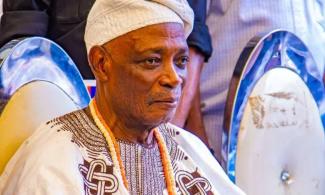
Residents affected by the Ibadan Circular Road Project have appealed to the Olubadan of Ibadanland, Oba (Senator) Abdul Rashidi Ladoja, to intervene in the growing confusion, anxiety and loss of confidence surrounding the project’s corridor and stakeholder engagement process.
The appeal was contained in an open letter addressed to the monarch by the Ibadan Circular Road Corridor Residents and jointly signed by its Chairman, Chief Adedeji Hammed Lamolo, and Secretary, Azeez Abass Olaide.
In the letter, the residents said they were writing “with utmost humility, reverence and loyalty to the reverred throne of the Olubadan of Ibadanland,” which they described as having “from time immemorial, symbolised justice, fairness and the collective conscience of the Ibadan people.”
They stressed that the letter was written “not out of defiance but out of deep concern and a sincere desire for transparency, equity and peace” over the ongoing construction of the Ibadan Circular Road Project.
While acknowledging the developmental intent of the project, the residents said they were compelled to draw the Olubadan’s attention to “the growing anxiety, confusion and loss of confidence across the 6 local governments areas in relation to the committee constituted by the government to engage stakeholders on this project.”
According to them, they were “expressly directed by the said committee and its leadership to desist from public engagements particularly from airing concerns on radio platforms or through online media on the assurance that issues raised would be adequately and timely addressed through internal consultations and transparent dialogue.”
They said they complied with the directive “in good faith,” but expressed regret that “while the affected people were asked to remain silent, the same committee has continued to engage in public communications and media appearances.”
The residents said this situation was “making the masses see us as transgressors not knowing that the Government is just trying to illegally acquire our lands and destabilize our well being.”
They also raised concern that “the reported outcome of the committee’s meeting with Your Imperial Majesty was neither communicated nor disclosed to the affected communities whose lives, properties and livelihoods stand directly impacted by the project.”
According to the letter, “this selective flow of information has created a widening trust deficit,” leaving many stakeholders feeling “excluded, unheard and increasingly uncertain about the true intentions, processes and safeguards surrounding the project corridor.”
The residents warned that “confidence in the committee’s leadership and sincerity is sadly fast eroding,” adding that “no development initiative can achieve lasting success where transparency is lacking and where the voices of the people are muted rather than meaningfully engaged.”
They appealed to the Olubadan, whom they described as “the father of all Ibadan people and the ultimate moral authority in the land,” to intervene by encouraging “full disclosure of engagements and outcomes relating to the project corridor,” ensuring that affected communities are “properly informed, consulted and carried along,” and restoring confidence through “a fair, open and people centred approach to the project’s implementation.”
In the letter, the residents also outlined specific demands to Governor Seyi Makinde through the committee, including a call for the government to “revert to the original 75-metres either way from the midpoint which was legally acquired during the administration of Senator Rashidi Ladoja in 2006.”
They said the original acquisition was “clearly defined, gazetted and recognised by subsequent administrations,” warning that expanding beyond it “may constitute overreach, violate due process and expose the government to avoidable litigations and public distrust.”
The residents further called on the government to “acquire undeveloped land with due process” if additional land was required, stressing that such an approach “upholds justice,” reduces compensation costs and “minimizes social disruption.”
They also demanded “fair and prompt compensation,” insisting that compensation “must be paid before any demolition activity to avoid rendering families homelessness,” and that cases of previous demolitions without adequate compensation “must also be revisited in line with the principles of fairness and administrative responsibility.”
On existing settlements, the residents said “longstanding communities within the original corridor should remain intact,” adding that residents “must also be allowed to obtain land documents (such as C of O, R of O and building approvals) without harassment or bureaucratic obstruction.”
In conclusion, the group said it stood with the government for the success of the Circular Road project, describing it as “an initiative dearly needed for the growth and modernization of Oyo State,” but stressed that implementation “must be just, humane and guided by due process.”
They said they were placing their trust in the Olubadan’s “renowned wisdom, fairness and lifelong commitment to justice,” expressing confidence that “peace, equity and mutual understanding will prevail.”