This has triggered outrage from civil society organisations who have condemned the exercise as brutal, unconstitutional and inhumane.
At least three persons, including two babies and an elderly woman, have been confirmed dead following the ongoing demolition of homes by the Lagos State government at the Makoko waterfront community on the Lagos Lagoon.
This has triggered outrage from civil society organisations who have condemned the exercise as brutal, unconstitutional and inhumane.
The deaths were disclosed in a joint statement issued on Tuesday by the Centre for Children’s Health Education, Orientation and Protection (CEEHOPE) Nigeria, the Health of Mother Earth Foundation (HOMEF) and Corporate Accountability and Public Participation Africa (CAPPA), amid reports of mass displacement, injuries and the arrest of a community leader.
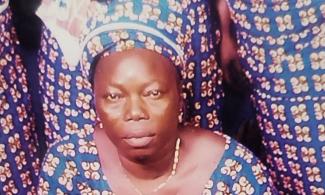
According to the groups, the victims include 70-year-old Ms. Albertine Ojadikluno and five-day-old Epiphany Kpenassou Adingban, with another baby also reported dead, as demolition teams, accompanied by armed security personnel, intensified operations in the historic fishing community.
The organisations in a statement made available to SaharaReporters, said the demolitions, which began on January 5, 2026, have seen homes set ablaze or bulldozed with little or no notice, in some cases while residents were still inside.
“Armed thugs, security personnel and demolition teams with bulldozers have descended repeatedly on Makoko,” the statement said, adding that “teargas was deployed against women, children and elderly persons, leaving many injured and hospitalised.”
They estimated that over 3000 houses had been destroyed, displacing more than 10,000 residents, while five schools, two clinics and several places of worship had also been demolished.
“Many displaced residents – including children – are now sleeping in boats, canoes, churches, school buildings or in the open, exposed to the elements and serious health risks,” the groups said.
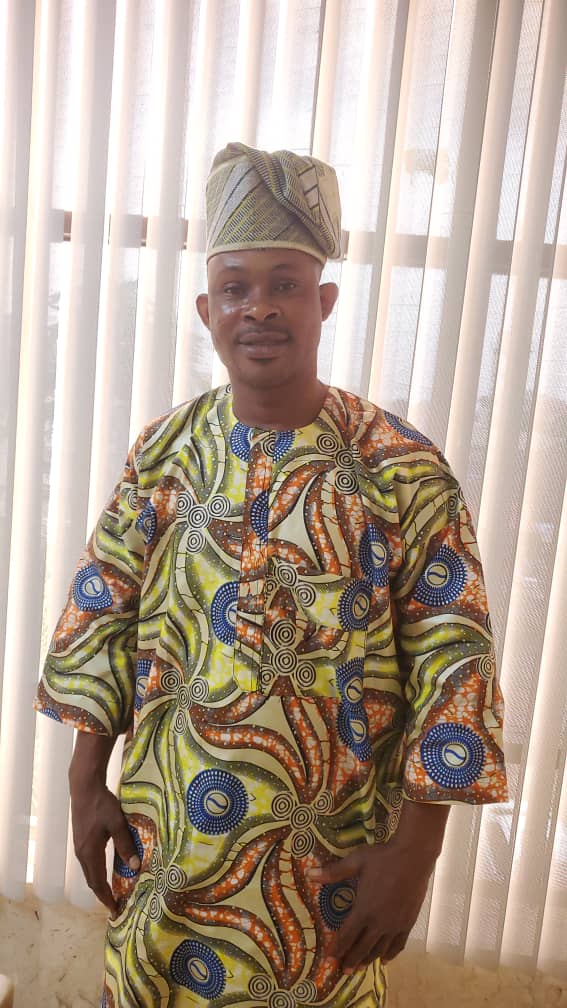
Beyond the reported deaths, the organisations raised concern over the arrest of a community youth leader, Mr. Oluwatobi Aide, also known as Woli, who they said was detained after attempting to appeal for restraint during the demolitions.
According to eyewitness accounts cited in the statement, Mr. Aide approached demolition officials to request a few hours for residents to retrieve their belongings after it became clear that the demolitions had extended beyond the initially announced corridor along power lines.
“Rather than engage with the community’s concerns, security agents reportedly arrested him,” the groups said.
They disclosed that Mr. Aide was arrested on Monday, January 12, 2026, first taken to the Rapid Response Squad (RRS) office in Alausa and later transferred to the Area F Police Station, Ikeja, where he is currently being detained.
The statement added that Mr. Aide, who was allegedly tear-gassed during the demolitions and hospitalised last week, has suffered a further deterioration in his health while in custody.
Reacting to the developments, Nnimmo Bassey, Director of HOMEF, described the demolitions as a violent assault on vulnerable populations.
“We view these latest attacks on vulnerable populations and the urban poor as the most violent manifestations of Lagos State government’s contempt for those it views as human scrap to be cleared for elite profit,” Bassey said
“The thuggish arrest of community members and forced displacement of families who have always known Makoko as home underscores the helplessness of struggling people in the country. This assault is comparable to what Nigerians are suffering at the hands of bandits in some parts of the nation.”
He described the state’s actions as “repugnant” and called for an immediate halt to what he termed a campaign of land-grabbing and displacement.
Similarly, Akinbode Oluwafemi, Executive Director of CAPPA, accused the Lagos State Government of acting in bad faith and shifting its justification for the demolitions.
“These actions starkly contradict earlier assurances by officials of the Lagos State Ministry of Urban Development that the exercise was limited to structures within 50 metres of power lines,” Oluwafemi said.
“That claim was later shifted to 100 metres, despite legal standards generally stipulating a 30–50 metre corridor. Demolitions have since extended to areas such as Oko-Baba, which are not under power lines at all.”
According to him, the expanding scope of the demolitions reinforces fears that the true objective is the wholesale clearance of the Makoko community, home to an estimated 100,000 residents.
On her part, Betty Abah, Executive Director of CEEHOPE Nigeria, said the situation in Makoko reflects a wider pattern of forced evictions across Lagos State.
“Over the past year, the Lagos State Government has carried out similar demolition exercises in communities including Oko-Baba, Ayetoro, Otumara, Baba-Ijora, Oworonshoki and Precious Seeds,” Abah said.
“Earlier evictions in Badia East, Otodo-Gbame, Maroko, Monkey Village, Ilaje-Bariga and Ifelodun reveal a long-standing pattern of forced evictions that have shattered livelihoods and left women and children exposed to violence, hunger and poverty.”
The organisations described the demolitions as unconstitutional, alleging violations of Section 44 of the Nigerian Constitution, the African Charter on Human and Peoples’ Rights, and international standards on forced evictions.
They demanded an immediate halt to all demolitions in Makoko and other affected communities, the unconditional release of Mr. Oluwatobi Aide, an independent investigation into the reported deaths and use of force, and adequate compensation and resettlement for displaced residents.
The groups warned that pursuing urban development through force would only deepen Lagos State’s housing crisis.
“Urban development cannot be pursued through violence, fear and dispossession,” the statement said. “Clearing communities without humane alternatives only deepens Lagos’s housing deficit, estimated at over four million housing units, and undermines social stability.”
They called on the Lagos State government to abandon coercive approaches and adopt rights-based, inclusive and environmentally sustainable urban development that prioritises human dignity, housing security and