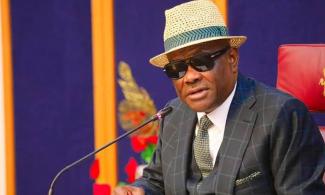
He alleged that rather than addressing their legitimate demands, the FCT Minister responded with intimidation.
A group of indigenous contractors operating under the Federal Capital Territory Administration (FCTA) has issued a desperate plea to President Bola Ahmed Tinubu, the National Assembly, civil society organizations, the media, and the international community, accusing the FCT Minister of deliberately withholding payments for executed contracts for over two years.
Speaking on behalf of the contractors, Chairman of the FCTA Indigenous Contractors, Adebola Benson Ehuwa said legally awarded contracts, fully executed and certified by relevant FCTA departments, remain unpaid despite repeated petitions and verifications.
“These contracts were duly awarded by the FCTA, backed by signed agreements cleared by the Legal Department, and executed under the supervision of the Monitoring Department, which confirmed the jobs as completed,” Adebola explained.
He alleged that rather than addressing their legitimate demands, the FCT Minister responded with intimidation.
“I personally wrote to the minister, and to my shock, he ordered my arrest and detention. I was held for over seven days and later charged to court. The police investigated the projects and confirmed the contracts were genuine and duly executed,” he said.
WATCH: Indigenous FCT Contractors Plead With President Tinubu Over Unpaid N4Trillion Contracts, Arrest Orders By Wike pic.twitter.com/9D7eeFNqBO
— Sahara Reporters (@SaharaReporters) January 20, 2026
Adebola questioned why law-abiding taxpayers were being subjected to what he described as “punishment in our own country.”
“We are businessmen and women, parents like the minister himself. We have bills to pay and families to take care of. We are not in any political fight. We only ask to be paid for work we have done,” he added.
In an emotional appeal, the contractors called on President Tinubu, the leadership of the National Assembly, women groups, civil society organizations, and the international community to intervene and prevail on the FCT Minister to release the overdue funds.
“We have resolved to pursue this matter through every legal means available. But before it gets to that, we plead with everyone to talk to him. Let him consider our families and pay us our money,” Adebola said, warning that continued refusal could worsen their economic hardship.
SaharaReporters on Monday reported that indigenous contractors under the All Indigenous Contractors Association of Nigeria (AICAN) had resumed protests in Abuja over an alleged ₦4 trillion owed by the Nigerian government for capital projects executed in 2024.
During the protest, the contractors barricaded the Ministry of Finance, vowing not to leave until full payment was made. AICAN President Jackson Nwosu warned that the association was prepared to cripple the nation’s economy if their demands continued to be ignored.
“We are talking about over ₦4 trillion worth of projects executed for the Federal Government in 2024. These projects are completed, yet the government has refused to pay. Our next line of action is simple: if they don’t kill us, the economy of this country will die. We are ready for the worst,” Nwosu said.
He noted that most projects were executed with funds borrowed from banks, leaving contractors overwhelmed by debt. Only about 40 percent of the debt was reportedly paid after a similar protest in December 2025.
“Most of our members borrowed heavily from banks. They can no longer repay the loans. Banks have seized properties, and some members have even died. We are not leaving the streets until full payment is made,” Nwosu said.
The association accused government officials of reneging on agreements to pay contractors whose projects were verified and completed.
Nwosu further alleged that despite directives from President Tinubu to settle outstanding obligations, contractors had yet to receive any payment alerts.
Ode Agada, AICAN’s Vice President, described the treatment of indigenous contractors as unjust and harmful to the economy.
“We have contributed to the growth of this country. We are indigenous Nigerians who supported the government, yet we are treated this way,” Agada said.