According to him, the policy would reposition polytechnics as centres of excellence, stressing that they should no longer be regarded as inferior to universities but as equal partners in national development.
President Bola Tinubu’s administration has initiated a major policy shift aimed at scrapping the Higher National Diploma (HND) and ending decades of discrimination against polytechnic graduates by empowering polytechnics to award degrees.
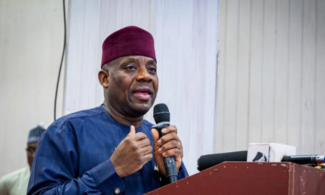
The Minister of Education, Dr. Tunji Alausa, disclosed this on Wednesday in Abuja during a high-level retreat for council chairmen, rectors and other education stakeholders, according to Vanguard.
Alausa said the decision was targeted at abolishing the long-standing dichotomy between HND holders and university degree graduates, a practice that has continued to limit the career progression and professional recognition of technical graduates in Nigeria.
According to him, the policy would reposition polytechnics as centres of excellence, stressing that they should no longer be regarded as inferior to universities but as equal partners in national development.
He noted that Nigeria’s future depends on a workforce capable of creating, building and solving real-world problems.
The minister added that this is a core strength of the polytechnic system which will now be strengthened with degree-awarding status.
He also assured that strict regulatory frameworks and quality assurance mechanisms would be enforced to ensure that degrees awarded by polytechnics meet global standards.
Beyond academic reforms, the minister also warned polytechnic administrators against corruption, insisting that transparency, accountability and zero tolerance for financial misconduct must guide the management of the institutions.
He further announced a special intervention from the Tertiary Education Trust Fund (TETFund) to upgrade engineering schools in polytechnics with modern, state-of-the-art equipment.
While acknowledging challenges such as outdated infrastructure and persistent societal bias against technical education, Alausa urged polytechnic leaders to act as agents of change by embracing innovation in areas such as renewable energy, digital manufacturing and applied technology.
“The future of our youth, our economy and our nation depends on the transformation we ignite here today,” he said.
The move comes amid long-standing agitation by stakeholders and the National Board for Technical Education (NBTE) for the passage of the Higher National Diploma Discrimination (Prohibition) Bill.