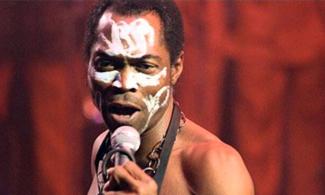
Old-skool musicians remain, in many ways, the gold standard of artistic excellence. In their era, music was not merely entertainment; it was art, education, resistance, and responsibility combined. Music spoke for the oppressed, confronted injustice, challenged power, and gave voice to the silenced. It demanded thought, reflection, and courage, both from the artist and the listener.
One defining feature of old-skool musicians was their deep mastery of music as an art form. Most of them were not just singers; they were trained musicians who understood composition, rhythm, harmony, and instrumentation. It was common for artists of that era to competently play two or three musical instruments, write their own lyrics, arrange their music, and lead live performances without digital shortcuts or AI. This depth is one of the reasons their work has endured across generations and will continue to do so.
Fela Anikulapo-Kuti (Abami-Eda) stands as the clearest example of this tradition. A multi-instrumentalist, bandleader, composer, Prophet, and philosopher, Fela did not just create songs, he created a genre (Afrobeat), a movement, and a body of work that continues to shape global music, politics, and academic discourse. As he famously declared:
“Music is the weapon of the future.”
Fela lived by this principle. Through songs such as “Zombie,” “Sorrow, Tears and Blood,” “Coffin for Head of State,” and “International Thief Thief (ITT),” he confronted military brutality, corruption, colonial mentality, and state violence singlehandedly, He was jailed several times fighting for the common man, fed thousands of people daily. He was a rich and wealthy man who used his wealth to fight for justice for common man not to intimidate them. His music came at enormous personal cost, countless arrests (Over 200 times), the destruction of Kalakuta Republic, and the death of his mother, Funmilayo Ransome-Kuti, following a military attack. Yet, he never softened his message.
Another defining quote from Fela captures the intellectual demand of his art:
“I have no respect for a man who cannot think for himself.”
This mindset explains why old-skool music is still studied today. The lyrics, compositions, and cultural impact of artists like Fela are analyzed in universities around the world, in music, African studies, political science, sociology, and postcolonial studies. Their lyrics are sampled, referenced, and reused by contemporary musicians (Wizkid inclusive), often without listeners realizing the depth of the original message.
In contrast, much of today’s mainstream music prioritizes VIRALITY over VALUE. While there are talented contemporary artists, a significant portion of modern music lacks lyrical depth, musical complexity, and social responsibility. Many songs are produced for instant consumption, not lasting impact. Young listeners are rarely encouraged to think critically about what they hear and consumed, and the music often fades as quickly as it trends.
This is where comparisons between Fela and Wizkid often become problematic. Wizkid is undeniably successful within his lane, global recognition, chart dominance, and visibility. However, it is difficult to point to any Wizkid song that is currently used as a teaching tool for children, studied in universities, or relied upon in political, social, or intellectual discourse. His music largely serves entertainment and lifestyle expression, not social education or historical documentation.
Those who insist on placing both artists on the same scale of “greatness” often fall into two groups:
Gen Z listeners who, through no fault of their own, were not exposed to the depth and context of old-skool music and therefore mistake popularity for legacy; or
Older individuals who knowingly blur these distinctions, deliberately misleading younger generations and weakening their understanding of what music once represented and still can represent.
Disagreements involving Seun Kuti and Wizkid should remain personal. Dragging Fela Anikulapo-Kuti into such debates is an insult to the nation, Africa and the global music industry and other spheres of life Fela impact represents. Fela does not belong to the Kuti family alone, he belongs to history, Africa, and the global struggle for justice. As Fela once said:
“Authority stealing from the people is corruption.”
That statement alone permanently situates him within political and moral history, far beyond entertainment.
There is an urgent need to educate today’s kids about this legacy. They must learn to distinguish between music as noise and music as art, knowledge, and resistance. Understanding where we come from is essential to knowing where we are going. When we lose sight of the depth, discipline, and purpose of old-skool music, we risk losing not just our voice, but our collective consciousness.
Written by
Akinkunle Akintan Akinbinu (Energy)