
Hashim made the remarks in response to the recent kidnapping of more than 170 people in Kajuru Local Government Area of Kaduna State, an incident that security authorities initially denied before later acknowledging.
Former presidential candidate Gbenga Hashim has accused the Nigerian government and parts of the security apparatus of complicity in the country’s escalating insecurity, warning that terrorism and mass kidnappings cannot be effectively tackled amid official denial, suppression of information, and intimidation of affected communities.
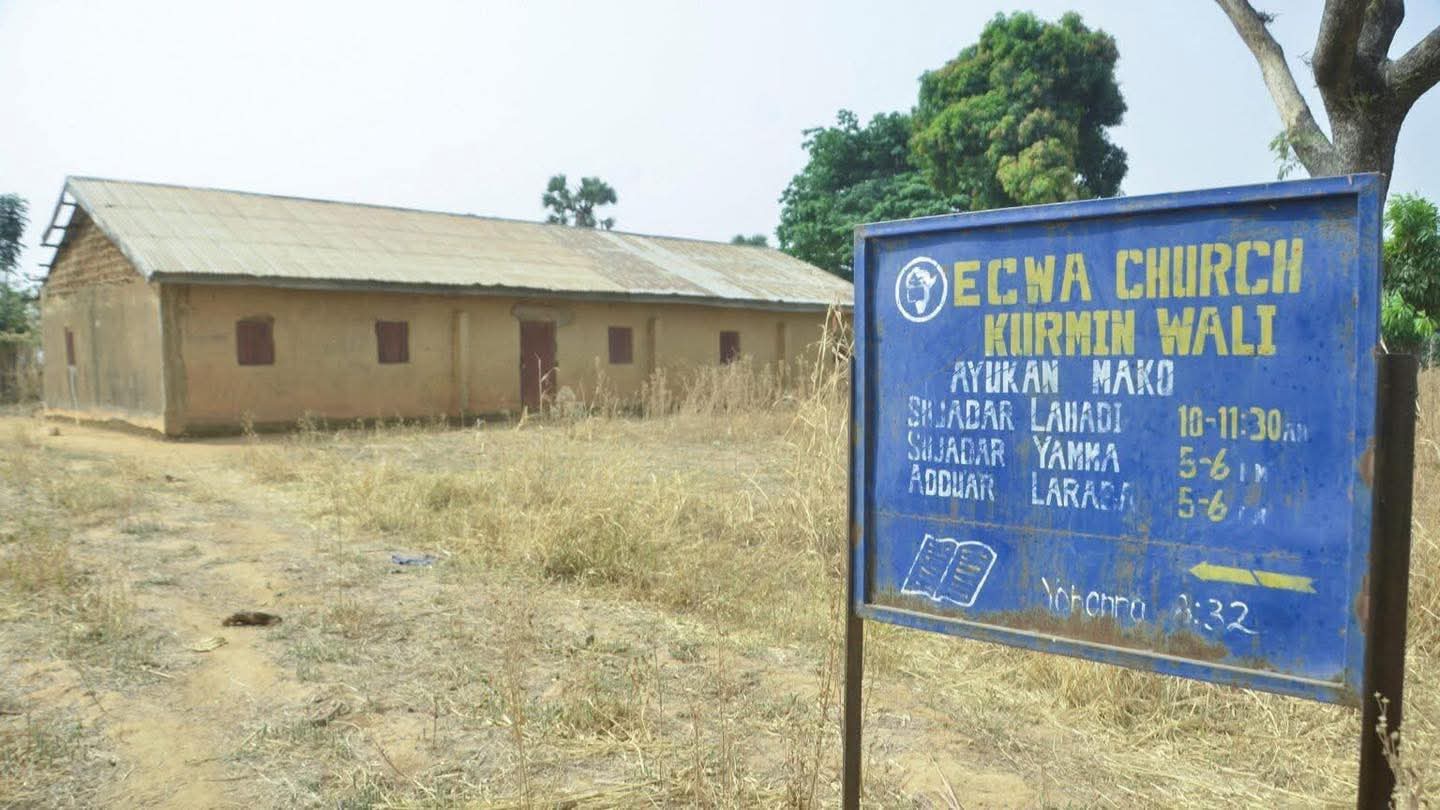
Hashim made the remarks in response to the recent kidnapping of more than 170 people in Kajuru Local Government Area of Kaduna State, an incident that security authorities initially denied before later acknowledging.
According to him, the denial exposed a troubling and increasingly common pattern in Nigeria’s security management, the suppression of information rather than decisive action.
“No matter the level of international action against terrorism, Nigeria will not get results as long as local authorities are compromised and complicit,” Hashim said.
He described the initial handling of the Kajuru incident as a “calculated attempt to erase a crime,” arguing that it reflects a system that now treats truth as a liability instead of a foundation for effective security response.
Hashim also expressed concern over the alleged intimidation of communities affected by attacks, noting that victims are often pressured into silence instead of receiving protection from authorities.
He linked this troubling pattern to increased international scrutiny of Nigeria’s security situation following U.S. airstrikes on terrorist targets in northern Nigeria on Christmas Day.
According to Hashim, the period after the strikes saw additional attacks that were reportedly downplayed or concealed by officials. He pointed to incidents in Kebbi State, where at least nine people were reportedly killed by terrorists roughly a week after the U.S. operation.
“Credible community leaders confirmed that information about the killings was officially suppressed, and warnings were issued against speaking out,” Hashim stated.
He also criticised the federal government’s handling of the U.S. airstrikes, accusing the APC-led administration of failing to use the operation as an opportunity to dismantle terrorist networks.
Hashim noted that, despite government claims of prior knowledge of the strikes, there was no coordinated deployment of ground forces to intercept or apprehend insurgents attempting to escape.
“Surviving terrorists were allowed to escape across the border into Niger Republic. This was a missed strategic opportunity,” he said.
Hashim argued that the failure or unwillingness to intercept retreating insurgents raises serious questions about the intentions and priorities within Nigeria’s security apparatus.
“Nigeria’s insecurity is no longer just about capacity, funding, or intelligence. It is increasingly about intent and accountability,” he added.
He concluded by warning that Nigeria’s security crisis will continue unabated unless official denial, the suppression of information, and alleged complicity within the system are addressed, regardless of foreign assistance or military interventions.