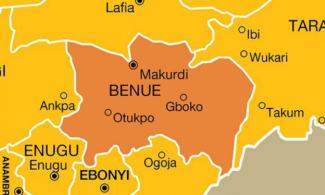
Community leaders and farmers who spoke during an on-the-spot assessment in a video obtained by SaharaReporters on Sunday said over 152 hectares of farmland belonging to Senior Advocate of Nigeria, Chief Godwin Obla, were extensively damaged after suspected herdsmen allegedly set fire to rice, cassava, banana, and cashew plantations.
Residents of Akpachinubojo community in Agatu Local Government Area of Benue State have raised fresh alarm over alleged violent attacks by armed herdsmen, accusing them of destroying farmlands, threatening lives, and deliberately inducing hunger by burning crops worth millions of naira.
Community leaders and farmers who spoke during an on-the-spot assessment in a video obtained by SaharaReporters on Sunday said over 152 hectares of farmland belonging to Senior Advocate of Nigeria, Chief Godwin Obla, were extensively damaged after suspected herdsmen allegedly set fire to rice, cassava, banana, and cashew plantations.
The affected farmlands, according to the community, include more than 42 hectares of rice, 24 hectares of cassava, two hectares each of cashew and banana plantations, with harvested rice under chaff also destroyed by fire
“This land would have fed thousands of people,” one community member lamented. “They didn’t harvest anything. They burnt everything down. This is deliberate starvation.”
Speaking during the assessment, the Chief of Akpachinubojo community, Chief Kifu Denyale Kenosamwa, described the destruction as “heartbreaking” and a direct threat to the survival of peasant farmers in the area.
“Our place is not a grazing field. We did not give anyone land to graze here, yet they continue to bring cattle into our farms, destroy crops, and burn what they cannot eat,” Kenosamwa said. “Women can no longer go to their farms. People are afraid. Hunger is increasing daily.”
He added that the community has recorded cases of kidnapping and violent confrontations linked to the same group, alleging that armed men were camped in nearby bushes with sophisticated weapons, unknown to security agencies until recently.
According to him, the Benue State anti-open grazing law remains in force, and the community is determined to pursue lawful means to ensure the alleged herders vacate their land.
“We will do everything within the confines of the law. We don’t want compensation. We want them to leave our land so we can farm and live in peace,” he said.
Kenosamwa also revealed ongoing consultations with leaders of neighbouring communities, including Otukpo, noting that no community has claimed responsibility for granting land to the herders.
“They claim they paid for this land, but nobody knows who collected the money. Whoever gave them this land must be exposed. That person is the source of this crisis,” he said.
Several youths and farmers narrated how they were chased off their farms, assaulted, or threatened with death. One farmer recounted escaping an attack after being pursued with a cutlass while working on his farmland.
Community members insisted that the herders they previously coexisted with were different from those currently operating in the area.
“Before, they didn’t destroy farms. Now, they burn what they cannot eat. If they fail to kill people, they burn their food,” a resident said. “This is about survival.”
The community called on the Benue State Government, security agencies, and relevant authorities to intervene urgently, warning that continued inaction could escalate tensions.
“Our youths should be on their farms, not trapped at home out of fear,” a resident added. “The message is simple: they should vacate our land and let us have peace.”