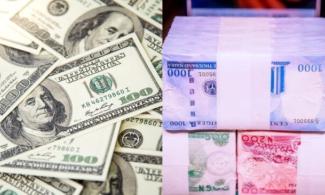
When the US dollar becomes cheaper against the naira, Nigerians feel it in places that don’t look like currency markets at all, from the price tags in pharmacies to the cost of school fees, and even the way small businesses restock. People who follow forex trading may notice the movement first, but the real story is how that shift changes what families can afford, what companies can plan for, and how confidently households can budget from week to week.
Over the past couple of years, Nigeria’s exchange-rate system has been reshaped, and the official market has shown periods where the naira strengthens and trades around the mid–₦1,400s per dollar. When the dollar is “low” in that sense, the most immediate effect is on imported items and anything priced indirectly in dollars. Nigeria imports a large share of finished consumer goods, medical supplies, industrial inputs, and machinery parts. Even products assembled locally often rely on imported components. A cheaper dollar can reduce the naira cost of bringing these items in, which should ease pressure on retail prices over time.
That said, the relief is not always instant at the checkout counter. Importers and distributors may have bought inventory when the dollar was higher, and they will try to sell through that stock before fully adjusting prices. There is also a difference between a stronger official rate and what businesses can practically access, depending on liquidity, documentation, and timelines. Still, when the dollar stays lower for long enough, competition and restocking cycles tend to push prices down or at least slow price increases, especially in categories like electronics, phones, spare parts, and some packaged goods.
One of the biggest daily-life channels is energy and transport. Nigeria’s fuel market has been adjusting to subsidy removal and a more market-linked pricing environment, while the country has also dealt with refined fuel import exposure. Because fuel and logistics costs feed into almost everything, a cheaper dollar can reduce the naira cost of imported fuel volumes and the freight costs tied to dollar-priced shipping, insurance, and equipment. If fuel costs soften or stabilize, transport fares, food distribution costs, and generator running costs can become a little less punishing for households and small shops. Even when pump prices do not fall dramatically, slower increases matter for budgeting, because transport is a daily, unavoidable expense for many workers.
Food prices can also benefit, even though Nigeria produces a lot domestically. The reason is that modern farming and food processing depend on imported items like fertilizer inputs, agrochemicals, machinery parts, packaging materials, and sometimes wheat or other commodities for specific products. A lower dollar can reduce costs along these supply chains. If it also helps calm inflation expectations, traders may be less aggressive about building “future currency weakness” into today’s prices.
Education is another pressure point Nigerians talk about constantly. Families paying tuition abroad, professional exam fees, overseas application costs, or even local private school fees that are informally benchmarked to dollars get meaningful relief when the dollar is cheaper. The same goes for businesses paying for training subscriptions, certifications, and software tools billed in dollars. For young Nigerians building careers in tech, design, or finance, a lower dollar can make global tools more accessible and reduce the barrier to learning and freelancing.
Healthcare can be even more sensitive. Many drugs, diagnostic kits, and medical consumables are imported or depend on imported inputs. When the dollar is cheaper and stays that way, hospitals and pharmacies can restock at lower naira costs, which can reduce the frequency of sudden price jumps. For families managing chronic conditions, fewer surprise increases can be as valuable as outright price drops, because consistency is what allows people to keep treatment plans.
Travel and migration-linked expenses shift too. Flights, hotel bookings, visa fees, and travel insurance are heavily dollar-linked. A cheaper dollar can make travel slightly more attainable for those who need it for business, medical care, study, or family obligations. It can also reduce the naira cost of maintaining relatives abroad, at least for expenses that are fixed in dollars.
But not everyone “wins” from a cheaper dollar. Nigerians who earn in dollars, including some freelancers, exporters, and diaspora-supported households, may feel the opposite effect: each dollar they receive converts to fewer naira. That can tighten budgets for families that rely on remittances for rent, school fees, or healthcare. Exporters paid in dollars might see their naira revenues fall unless they can raise dollar prices or increase volume. In other words, a cheaper dollar shifts purchasing power toward naira earners and away from people whose incomes are dollar-based.
Government finances and debt dynamics also matter, even if they feel distant. Nigeria carries foreign-currency obligations and pays for some large items in dollars. When the dollar is cheaper, servicing dollar-linked commitments can cost fewer naira, which can reduce fiscal stress and, in principle, free space for other priorities. At the same time, public revenues linked to oil exports are earned in dollars, so a cheaper dollar can reduce naira revenue from oil unless production or dollar prices compensate. This balancing act affects how much room the government has to spend without borrowing more or creating inflationary pressure.
For small businesses, stability is often more important than the exact level. A period of a cheaper dollar that is also relatively steady helps entrepreneurs plan: pricing becomes less guesswork, restocking is easier to forecast, and fewer people panic-buy dollars “just in case.” That can slowly rebuild trust in long-term planning, which is crucial for jobs and investment. In everyday terms, it can mean fewer sudden price changes on shelves, fewer awkward conversations between sellers and customers, and a little more predictability in a household’s weekly spending.
In the end, when the dollar stays lower long enough to feel real, Nigerians tend to notice it not as a headline but as a calmer rhythm: fewer shocks, slightly easier restocking, and a bit more confidence that today’s budget will still make sense by next month.