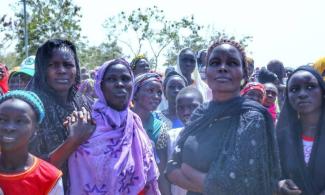
The exercise is part of Governor Babagana Zulum’s pledge to ensure the return and resettlement of all Borno indigenes who sought refuge in neighbouring Cameroon, Chad and Niger following years of conflict.
The Borno State government said it has concluded arrangements for the voluntary repatriation of more than 3000 Nigerian refugees from the Republic of Cameroon to their ancestral homes, ending 11 years of their displacement caused by insurgency in the North-East.
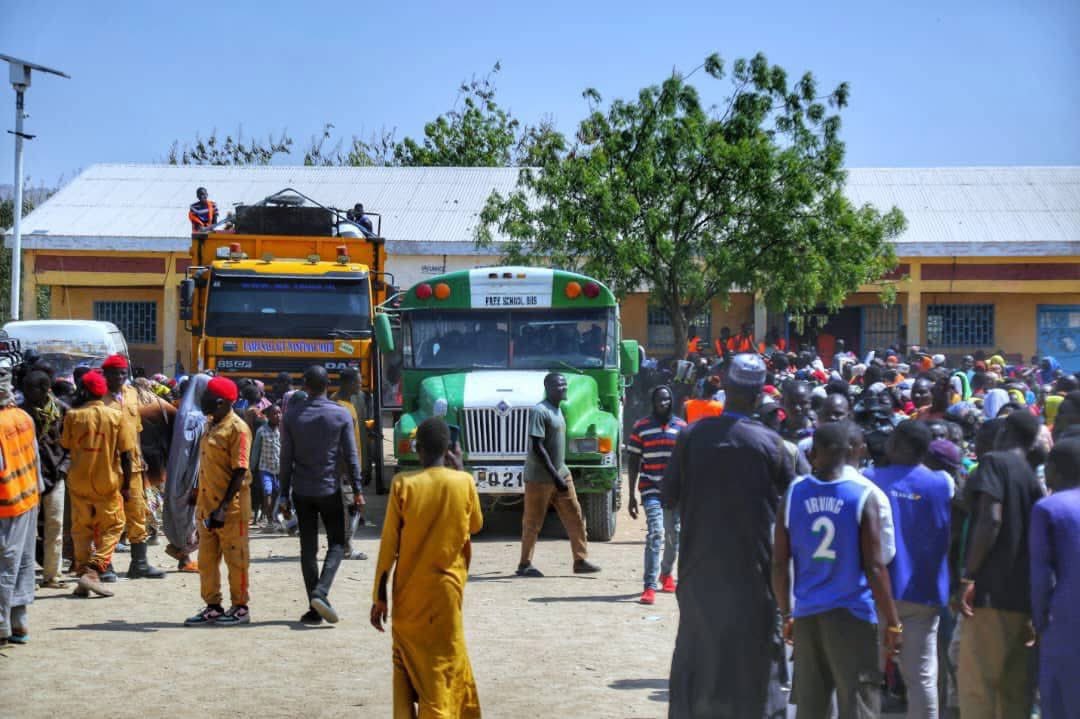
The exercise is part of Governor Babagana Zulum’s pledge to ensure the return and resettlement of all Borno indigenes who sought refuge in neighbouring Cameroon, Chad and Niger following years of conflict.
The repatriation is being carried out with the support of the National Commission for Refugees, Migrants and Internally Displaced Persons (NCFRMI), in collaboration with Cameroonian authorities and international humanitarian partners.
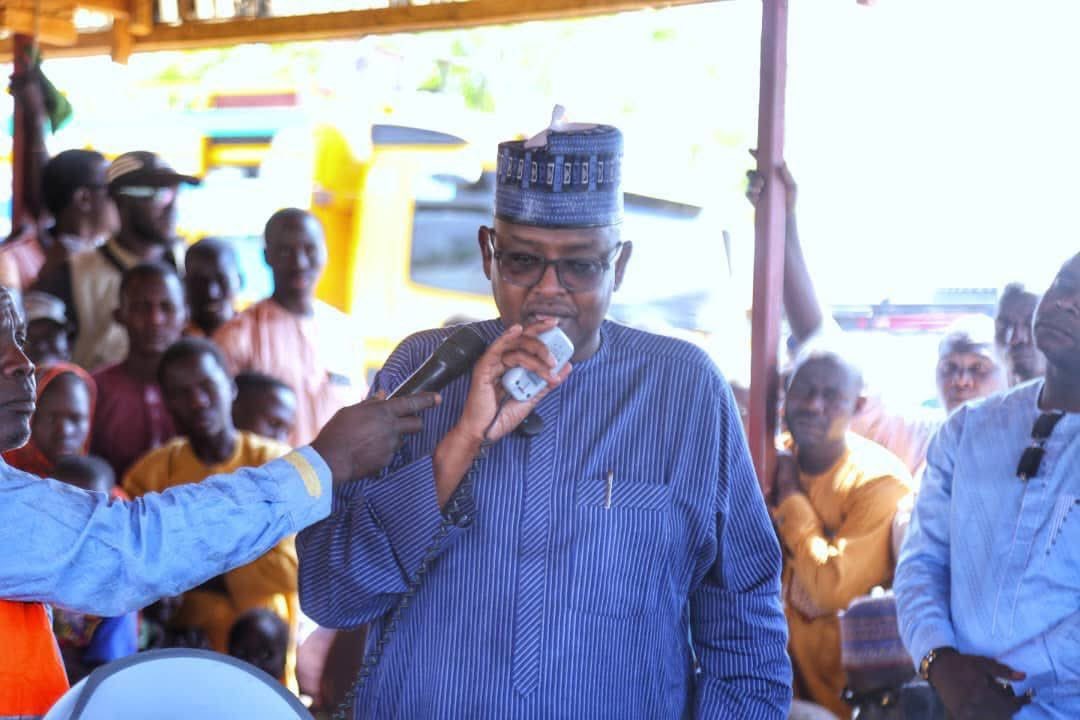
On Monday, the Chairman of the Borno State Sub-Committee on Repatriation and member of the Presidential Committee on Repatriation, Engineer Lawan Abba Wakilbe, led a delegation to the Minawao Refugee Camp in Maroua, Cameroon’s Far North Region, according to Zagazola Makama.
The delegation met with officials of the regional government and representatives of the United Nations High Commissioner for Refugees (UNHCR) to finalise logistical and operational arrangements for the refugees’ safe and dignified return.

According to Wakilbe, the engagement focused on ensuring that the repatriation process aligns with established tripartite agreements and international standards for voluntary return.
Governor Zulum had earlier visited the Minawao camp in December 2025, where he assured refugees willing to return home of the state government’s commitment to providing security, resettlement support and livelihood opportunities upon their return.
The refugees, largely from communities in central and southern Borno State, fled to Cameroon more than 11 years ago at the height of the insurgency, which destroyed villages, displaced thousands of families, and severely disrupted socio-economic activities across the region.
During their stay in Cameroon, the refugees benefited from support provided by the Cameroonian government and humanitarian agencies, including shelter, healthcare, education and access to farmland, which enabled many families to engage in agriculture and reduce dependence on humanitarian aid.
With relative improvements in security in parts of Borno State and ongoing reconstruction and resettlement efforts by the state government, many of the refugees have indicated their willingness to return home voluntarily.
The Borno State government has provided buses and other logistical support for the exercise, while the National Commission for Refugees will coordinate the movement in conjunction with Cameroonian authorities and humanitarian partners.
“This is the fourth phase of the repatriation exercise, which commenced in 2020. The process is going on smoothly in line with the tripartite and technical working group agreements,” Wakilbe was quoted as saying.
He added, “Governor Zulum was here on December 8, 2025, and made specific commitments. As soon as the refugees return home, all those commitments will be fulfilled.”
In a related development, Wakilbe also led a high-level delegation to the office of the Governor of Cameroon’s Far North Region, Midjiyawa Bakari.
During the meeting, Governor Bakari commended the Borno State Government for sustaining a long-standing cordial bilateral relationship.
The governor noted that cross-border cooperation has played a key role in protecting displaced persons and facilitating their orderly return.
He described the ongoing collaboration between Nigeria and Cameroon as crucial to ensuring the welfare, security and dignified repatriation of refugees affected by the insurgency in the Lake Chad region.