He warned that internal rivalries and open contests for supremacy among monarchs were gradually weakening the traditional institution, which has historically served as a cornerstone of Yoruba identity, governance and unity.
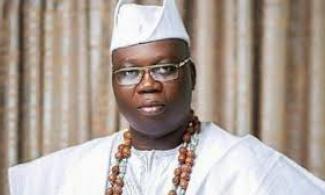
The Aare Ona Kakanfo of Yorubaland, Iba Gani Adams, has expressed concerns over an escalating battle for supremacy among Yoruba traditional rulers, warning that the development poses a threat to the unity, cultural heritage and developmental future of the Yoruba race.
Adams, who is also the National Coordinator of the Oodua Peoples Congress (OPC), made this known on Thursday while addressing a large gathering at the 2026 Oodua Festival held at the historic Enuwa Palace Square in Ile-Ife, Osun State.
Speaking before traditional leaders, cultural enthusiasts and members of the public, he lamented the growing level of disunity among royal fathers across Yorubaland, describing it as alarming and dangerous to the collective interests of the people.
“In recent times, the level of disunity among traditional rulers in Yorubaland has become a pressing concern,” Adams said. “I am duty-bound to sound the alarm that this ugly development threatens the cultural heritage, social cohesion, and developmental prospects of the Yoruba people.”
He warned that internal rivalries and open contests for supremacy among monarchs were gradually weakening the traditional institution, which has historically served as a cornerstone of Yoruba identity, governance and unity.
“The level of disunity is now at an alarming stage,” Adams added. “I respectfully call on all our traditional rulers to jettison the supremacy battles that are threatening to tear us apart. We should unite to prevent external infiltrations.”
According to him, the persistent fragmentation within the traditional institution, often driven by political interference and personal ambitions, has continued to erode the collective strength and influence of Yoruba monarchs.
“We need our traditional rulers to resume speaking with one voice for the progress of Yorubaland and the entire Southwest region, rather than fighting for personal aggrandisement and narrow interests,” he said.
Adams stressed that the infighting among royal stools not only undermines respect for traditional authority but also weakens the ability of the institution to play its stabilising role in society, especially at a time when the region faces numerous social, economic and security challenges.
“This fragmentation among our traditional stools, often fueled by political interference and personal rivalries, undermines the collective strength and influence of the traditional institution, which has historically been a pillar of Yoruba identity and governance,” he stated.
The OPC leader also called on political leaders, respected elders and prominent Yoruba leaders of thought to urgently intervene in the crisis, urging them to mediate and facilitate dialogue aimed at resolving the lingering disputes among traditional rulers.
“Our Obas must embrace unity for the advancement of Yorubaland,” Adams said. “This is essential if we are to harness the region’s enormous potential for social and economic development.”
He emphasised that unity among monarchs would not only strengthen the traditional institution but also promote peace, stability and sustainable development across Yoruba communities.
“In conclusion, I want to stress that it is imperative for all Yoruba monarchs to prioritise unity as a foundational strategy for social development, peace, and the overall advancement of our people,” Adams said.
The Oodua Festival, which attracts cultural stakeholders from across the Southwest and beyond, served as a platform for renewed calls to protect Yoruba heritage and reinforce unity at all levels of leadership, amid growing concerns over internal divisions within the revered traditional institution.