SaharaReporters further learnt that that water treatment and distribution plants were severely affected by power challenges after approvals for diesel procurement were delayed.
Emerging details from sources familiar with water supply operations in the Federal Capital Territory (FCT) have linked the ongoing water shortages across Abuja to decisions taken by the FCT Administration under Minister Nyesom Wike.
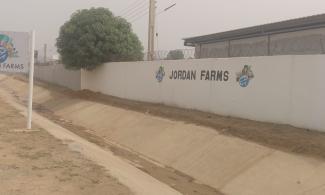
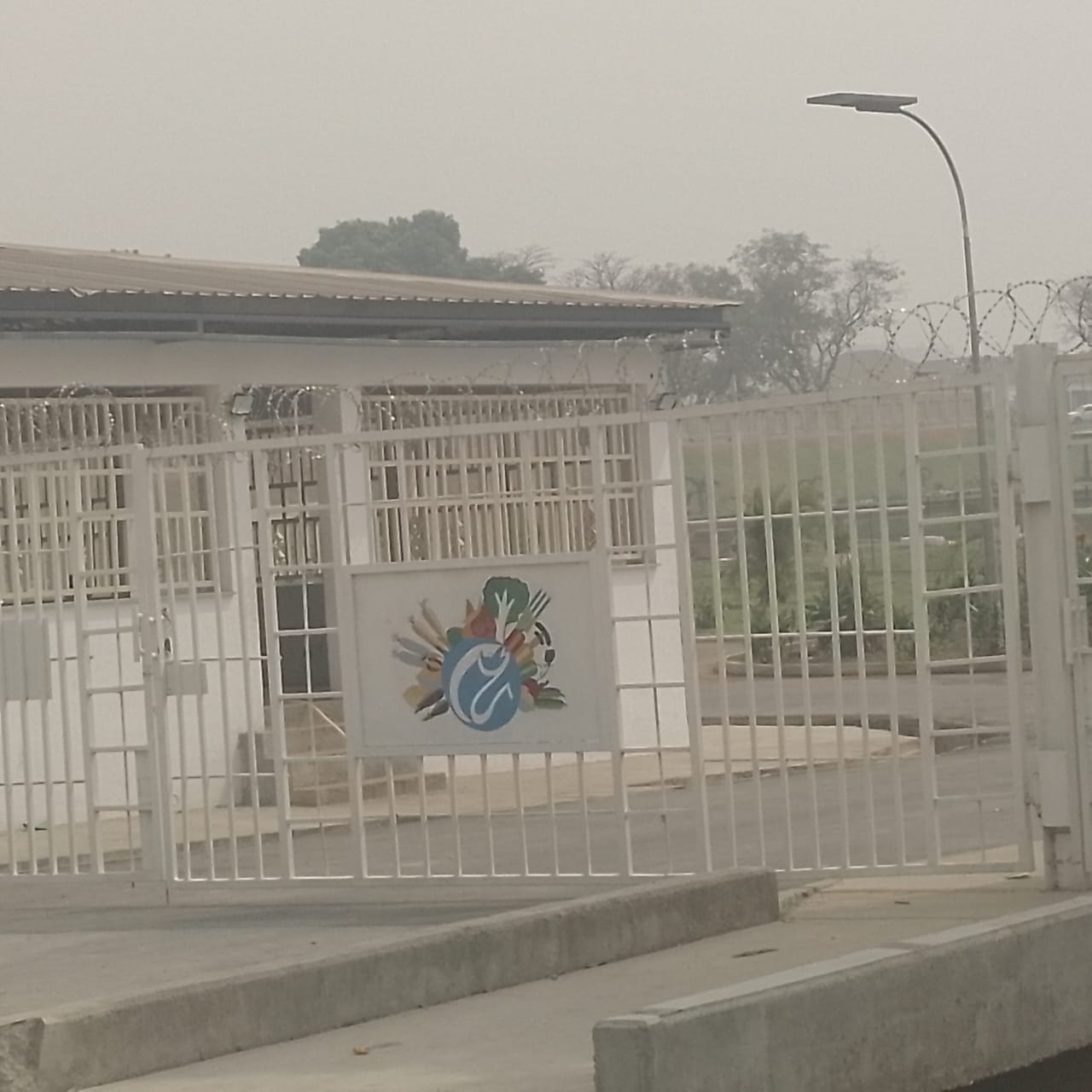
According to sources, a significant portion of water meant for the FCT was diverted to serve Jordan Farms, a mega farm owned by the minister in the Ushafa area, and named after his first son, leaving only a fraction available for the wider city.

A source claimed that up to 70 per cent of water from the nearby Usuma Dam is diverted to the facility, with the remaining supply distributed across Abuja, based on the assumption that residents had grown accustomed to relying on boreholes and would not protest.
“He diverted 70 per cent of the water for FCT to his mega farm and resort near Ushafa and allowed the rest to serve the city. He feels Abuja is already used to boreholes so they will not complain,” the source said.
SaharaReporters further learnt that that water treatment and distribution plants were severely affected by power challenges after approvals for diesel procurement were delayed.
It was alleged that no alternative power supply from the national grid was available, and diesel procurement valued at about ₦150 million could not be approved because the minister was away at the time.
According to a source, the delay coincided with the minister’s involvement in political developments in Rivers State. By the time approval was eventually granted, the source said, critical infrastructure had already shut down, with pipelines supplying both the city and the alleged private facility drying up completely.
“To power the plants, there was no diesel and NEPA (public power supply). Wike was not around to approve money for diesel - N150 million. He was away for the battle with the Rivers State Governor, Siminalayi Fubara,” a source said.
“When he lost the battle, he ran back to approve money for the diesel but it was too late. No water. The pipes to the city and his farm had all dried up. That is the reason why residents are crying about lack of water all over the FCT.”
The source linked the situation to the widespread water shortages currently being experienced in some parts of the FCT.
SaharaReporters visited the farm, but our reporter was denied access to the facility. Attempts to obtain information from workers at the dam and to confirm the proportion of water supplied to Jordan Farms were also unsuccessful.
A resident who spoke to SaharaReporters said, “The farm carries out intensive irrigation, and gets its water directly from Usuma Dam. The farm is very close to the dam, which supplies the entire FCT and even parts of Niger State.”
“About 90 per cent of houses in Usafa do not have water supply. Even my house, which is directly beside the dam, does not have water. Yet the farm, which started operations only a few days ago, gets water from the dam regularly,” another resident said.
When contacted, Lere Olayinka, Senior Special Assistant on Public Communications and New Media to the FCT Minister, Wike, denied the allegation.
“You are saying water is being diverted to a farm? Have you personally been to this farm?” he asked.
“And you are saying water is being diverted to that farm. If water is truly being diverted, people should be able to see it. There should be visible pipelines or connections.
“You are saying there is water scarcity in Abuja, yet I live in Abuja and used water this morning. Then you say the scarcity is because water is being diverted to a farm. If that were the case, we would see clear evidence.”
Indeed, some parts of the FCT have been grappling with a severe and prolonged water crisis, which spilled over into early 2026, resulting in acute shortages.
The situation has left thousands of residents struggling with dry taps and increasingly dependent on costly private water vendors.
Multiple factors have been identified as contributing to the crisis, including inadequate power supply to water pumping stations, poor maintenance of dams, shortages of treatment chemicals, and broader infrastructure and management challenges within the water sector.
In early January, the Abuja Electricity Distribution Company (AEDC) disconnected electricity supply to the FCT Water Board over unpaid bills, effectively halting water production and distribution across several parts of the capital.
The power cut plunged critical facilities, including the Lower Usuma Dam, into darkness, with AEDC citing non-payment of utility bills by the FCT Administration.
The electricity distribution company said the FCT Water Board had accumulated more than 12 months of outstanding electricity bills despite repeated formal notices and engagements aimed at resolving the debt in line with regulatory provisions.
However, following widespread public outcry over the disruption of water services, AEDC ordered the immediate reconnection of power supply to the Water Board on January 18.
In a statement issued by its Head of Brand Marketing and Corporate Communications, Omede Odekina, AEDC acknowledged the concerns raised by residents affected by the water shortage, noting that access to water is critical to public health and community wellbeing.
According to the company, the acting Managing Director and Chief Executive Officer, Engr. Chijioke Okwuokenye, approved the reconnection to facilitate the prompt restoration of water supply to affected areas of the FCT.
AEDC clarified that the reconnection was granted on a conditional basis, giving the FCT Water Board a two-week deadline to present and begin implementing a credible payment plan to address its outstanding electricity debt.
The company warned that failure to comply with the agreed repayment arrangement within the stipulated period would leave it with no option but to disconnect power supply again, in line with regulatory guidelines.