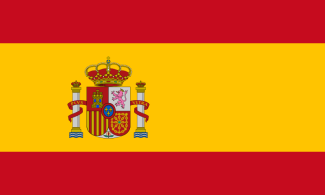
The proposed steps would place Spain among a growing number of countries seeking stricter regulation of social media use by children.
Spain is moving to ban access to social media platforms for children under the age of 16 and introduce legislation that would make social media executives personally accountable for hate speech on their platforms, Prime Minister Pedro Sanchez announced on Tuesday.
Speaking at the World Governments Summit in Dubai, Sanchez said the Spanish government was preparing new legal measures to better protect minors online and rein in the influence of major technology companies.
The proposed steps would place Spain among a growing number of countries seeking stricter regulation of social media use by children.
Spain’s plan follows similar debates and policy considerations in countries such as Britain and France, after Australia in December became the first nation globally to prohibit access to social media platforms for users under 16.
Governments and regulators around the world are increasingly examining the effects of excessive screen time and online exposure on children’s mental health and development.
“Our children are exposed to a space they were never meant to navigate alone... We will no longer accept that,” Sanchez said during his address.
He added that the government intended to take decisive action to protect minors from online harms.
“We will protect them from the digital Wild West,” he said, urging other European nations to adopt comparable safeguards.
Sanchez also announced that Spain had joined a group of five other European countries, which he described as the “Coalition of the Digitally Willing,” aimed at coordinating and enforcing cross-border digital regulation.
According to him, the coalition is expected to hold its first meeting in the coming days, although he did not disclose which countries are involved. His office did not immediately respond to requests for further clarification.
“We know that this is a battle that far exceeds the boundaries of any country,” Sanchez said, stressing the need for collective international action to effectively regulate global technology companies.
The Spanish leader, one of Europe’s few remaining centre-left prime ministers, has been increasingly vocal about the power wielded by social media firms. Last year, he criticised platform owners, referring to them as a “techno-caste” and accusing them of “poisoning society” through the use of algorithms that amplify harmful content.
At the European level, the Digital Services Act, which fully came into force in early 2024, already requires large online platforms to take greater responsibility for moderating content and addressing systemic risks.
However, critics argue that such measures raise concerns about potential overreach and censorship, highlighting the ongoing tension between regulation and freedom of expression.
Representatives of X, Google, TikTok, Snapchat and Meta did not immediately respond to requests for comment on Spain’s proposed measures.